



MAIN Blog
From Research to Practice: Developing Neuroinclusive Support in Hospice Care
When our research paper Neurodiversity and Grief: Advancing a Neuroinclusive Service (Boyle, Zhvitiashvili and Larsen, 2026) was published in the International Journal of Art Therapy, we hoped to contribute to growing conversations about neurodiversity, grief and accessibility within hospice and bereavement services.
It is estimated that around fifteen per cent of the UK population, roughly one in seven people, are neurodivergent (The Donaldson Trust, 2026). Autism, attention-deficit/hyperactivity disorder (ADHD) and dyslexia represent a significant proportion of the population in children, whilst many autistic adults remain undiagnosed. As a result, many people may access bereavement, palliative and end of life services without their neurodivergent needs being recognised.
Our research emerged from art psychotherapy practice at Harlington Hospice during the COVID-19 pandemic. At that time, almost a third of referrals to our children's service involved autism or ADHD. Families described heightened distress, difficulties accessing appropriate support and the need for more joined-up approaches across healthcare, education and community services. A recurring theme was that grief was not always recognised, with emotional, behavioural or sensory responses sometimes understood as challenging behaviour rather than expressions of loss and distress.
Interviews with parents and carers led us to rethink our referral and assessment processes. Children, adults and families described withdrawing from previous services when faced with unclear expectations, overwhelming assessment procedures or communication that was difficult to navigate. In response, we introduced a range of preparatory supports, including photographs of the building, social stories and clear information about what to expect before a first appointment. Where there was increased complexity or risk, we established a "team around the family" approach, bringing together professionals already involved in the person's care to support shared understanding and coordinated planning. We also paid closer attention to sensory aspects of the environment, adapting lighting, reducing unnecessary noise and considering how smells and physical surroundings might influence a person's sense of safety and engagement.
These changes were informed by an awareness of the potential for sanctuary trauma (Bloom, 1997), where people seek help from services expected to provide safety but instead encounter experiences that feel overwhelming, invalidating or inaccessible. To address this risk, we developed Neuroinclusive Practice Guidelines and embedded these across the service through inpatient teaching sessions and multidisciplinary skill-sharing meetings. The guidance emphasised practical adaptations such as sharing information before appointments, providing appointment cards, using clear and direct language about death and dying and supporting attendance with a trusted person where appropriate. Initial sessions could also take place online, by telephone or in familiar community settings such as schools, helping to increase predictability, choice and psychological safety. Although developed initially within children's bereavement services, these approaches have since informed practice across adult counselling, inpatient care and wider staff training initiatives (see Image 1).
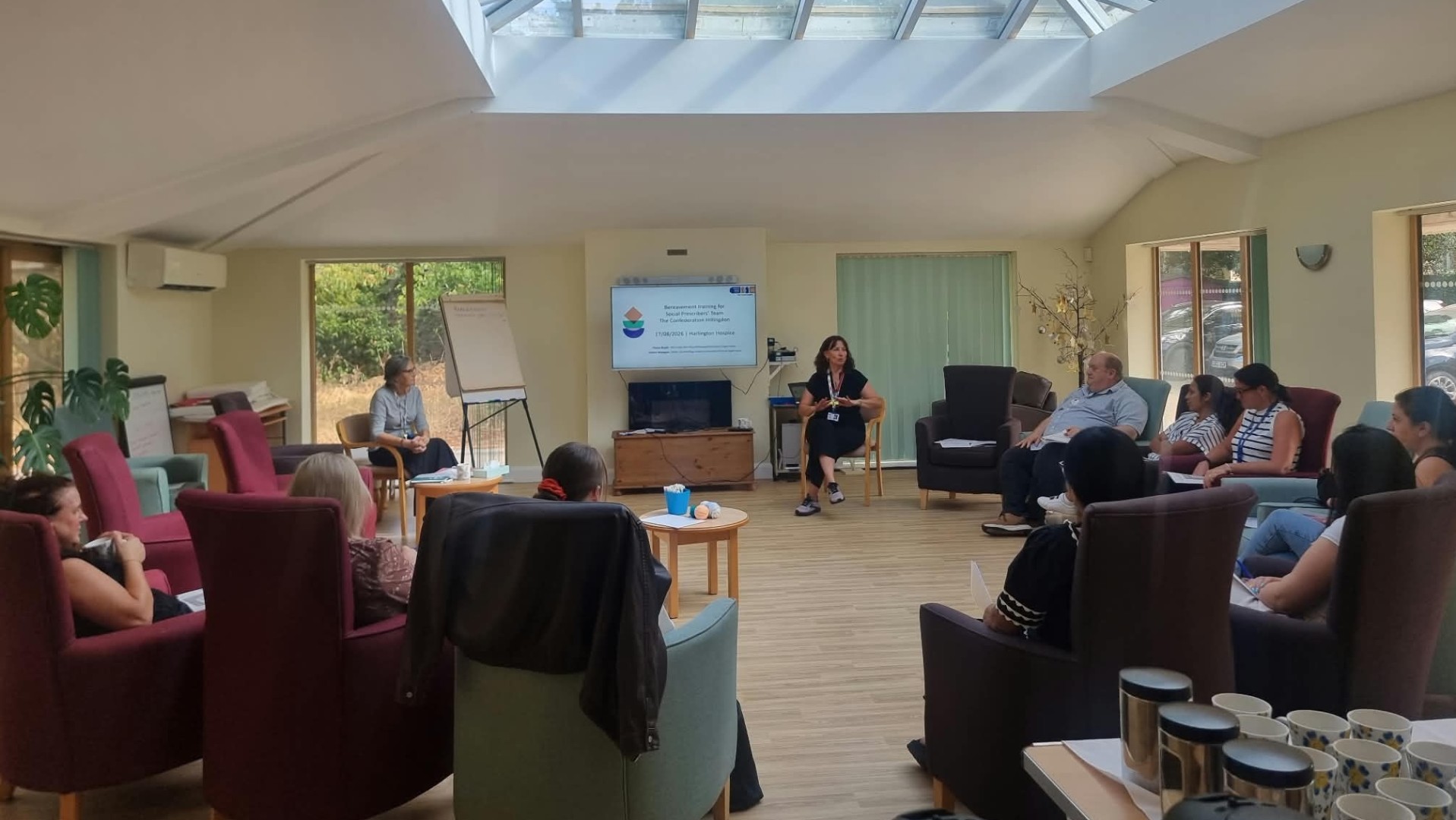
Image 1. Training session with the Community Social Prescribers Team exploring different forms of grief and loss to support referral pathways and improve access to appropriate support. Permission gained for sharing this image.
As a team of Art Psychotherapists, Dance Movement Psychotherapists and Integrative Counsellors, creativity remains central to our practice. Creative and sensory approaches can offer alternative ways of exploring experiences that may be difficult to communicate through words alone. Activities such as drawing, working with objects, body mapping or sensory materials can reduce the intensity of direct conversation, support emotional regulation, access memories and create opportunities for reflection, allowing feelings to emerge at a manageable pace (see Image 2). Exploring a person's interests can also support engagement. For example, someone who enjoys gaming may use characters, worlds or survival strategies to describe feelings or make sense of death, dying or feelings around bereavement.
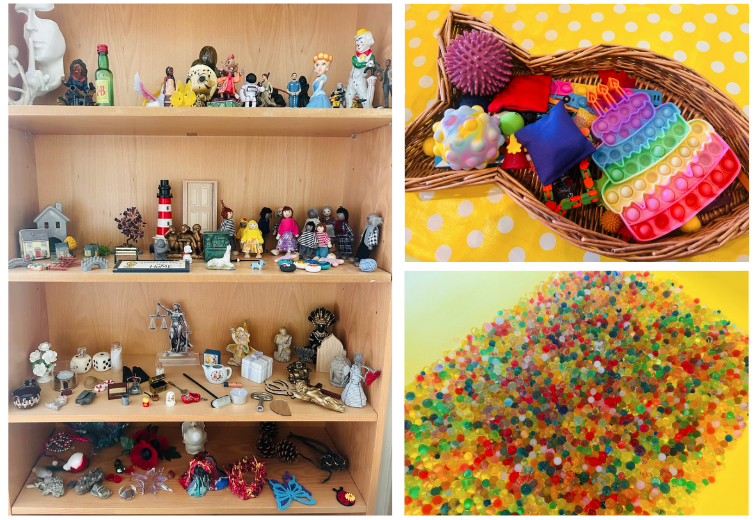
Image 2. Creative and sensory materials used within therapy sessions, including clay, collage materials and sensory objects that support exploration, emotional expression and regulation.
For some autistic people, alexithymia, the difficulty identifying and describing emotions (Bird and Cook, 2013), can add another layer of complexity to grief. A person may recognise that something feels different or overwhelming yet struggle to identify or express what they are experiencing. This can sometimes be mistaken for avoidance or resistance, when it may instead reflect the challenge of recognising and communicating internal experiences. The double empathy problem (Milton, 2012) further reminds us that communication difficulties do not sit solely with one person. Misunderstandings often arise because people experience and express emotions very differently. Our approach is not about reducing, changing or correcting strong feelings, but about creating space where they can be expressed safely and understood.
A significant outcome of our research was the development of the Transcontextual Model of Grief (see Image 3), co-produced with families and professionals from our research and ethics group. The model recognises that grief is shaped by context, relationships and psychological safety. Rather than asking whether grief is present, it encourages practitioners to consider how, where and when it is expressed. For example, a child who appears to be coping well at school may be experiencing significant distress at home. Equally, school or work may offer distraction, connection or at times feeling okay. Rather than signalling an absence of grief, these experiences may reflect the natural oscillation between distress and restoration that forms part of many people's bereavement journeys (Stroebe & Schut, 1999). The model encourages curiosity about where people feel safe enough to express their grief, recognising that psychological safety often influences how and when grief is shared.
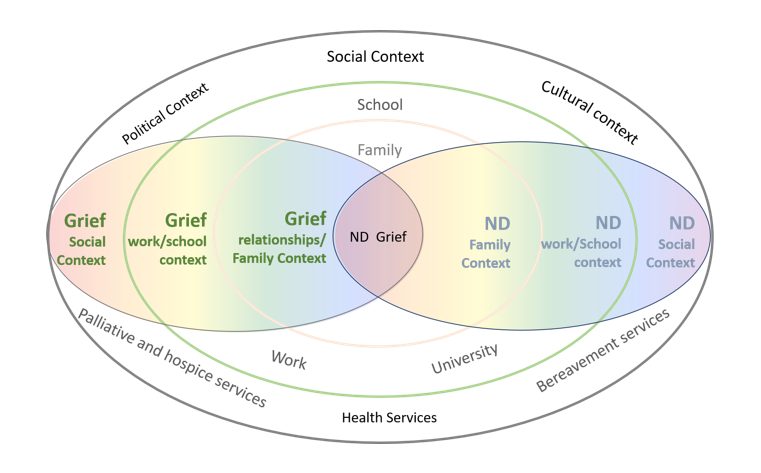
Image 3. Transcontextual Model of Grief, developed from Boyle and Zhvitiashvili (2026).
Our work continues to inform training, multidisciplinary practice and service development across the hospice, shaping more accessible approaches to palliative care, bereavement support and community services. Perhaps the most important learning is that there is no single way to grieve. By listening to lived experience and adapting our practice, we can create services that are more accessible, compassionate and responsive for everyone experiencing loss, change and bereavement.
Five Things to Take Away
- Prepare people before they arrive for support
- Consider sensory needs in rooms and shared spaces
- Use clear, direct communication, avoiding jargon or euphemisms
- Offer creative ways to express emotions around illness and grief
- Stay curious about how grief is expressed
For further information about neuroinclusive service development, booking staff training sessions or to request a copy of our research paper, please contact pes@harlingtonhospice.org.
References:
Bird, G. and Cook, R. (2013) ‘Mixed emotions: The contribution of alexithymia to the emotional symptoms of autism’, Translational Psychiatry, 3(7), e285. https://doi.org/10.1038/tp.201...
Boyle, P., Zhvitiashvili, N., & Larsen, R. (2026). ‘Neurodiversity and grief’: advancing a neuro-inclusive service. International Journal of Art Therapy, 31(1), 27–41. https://doi.org/10.1080/174548...
Bloom, S. L. (1997). Creating Sanctuary: Toward the Evolution of Sane Societies. New York, NY: Routledge.
Milton, D. (2012) ‘On the ontological status of autism: The “double empathy problem”’, Disability & Society, 27(6), pp. 883-887.
Stroebe, M., & Schut, H. (1999). The dual process model of coping with bereavement: Rationale and description. Death Studies, 23(3), 197-224. https://doi.org/10.1080/074811...
The Donaldson Trust (2026) Neurodiversity Statistics. Available at: https://www.donaldsontrust.org... (Accessed: [22/10/2026]
About the blog author:
Paula Boyle is Principal Lead for Psychological and Emotional Support Services at Harlington Hospice, an MA Art Psychotherapist, Integrative Clinical Supervisor and Visiting Lecturer at Goldsmiths, University of London. Her clinical, leadership and research interests focus on inclusive practice, shaping bereavement services and improving early access to psychological support across palliative and end-of-life care. pboyle@harlingtonhospice.org
Published: Nov 13, 2026
Other blogs
- What monks and mushrooms tell us about flourishing in the midst of existential distress
- ‘I Love My Job’: Why We Need to Rethink Wellbeing Support for Healthcare Assistants in Palliative Care
- Rewilding Healthcare in Advanced Illness: An Invitation to Reimagine the Possibilities
- From Conversation to Collaboration: What happens after a MAIN Grant Planning and Networking Workshop?
- MAIN Grant Writing and Networking Workshop - Grant writing and creativity
- MAIN Grant Planning and Networking Workshop - Reflections and learning
- Welcome to our new blog site!
- Coming soon…